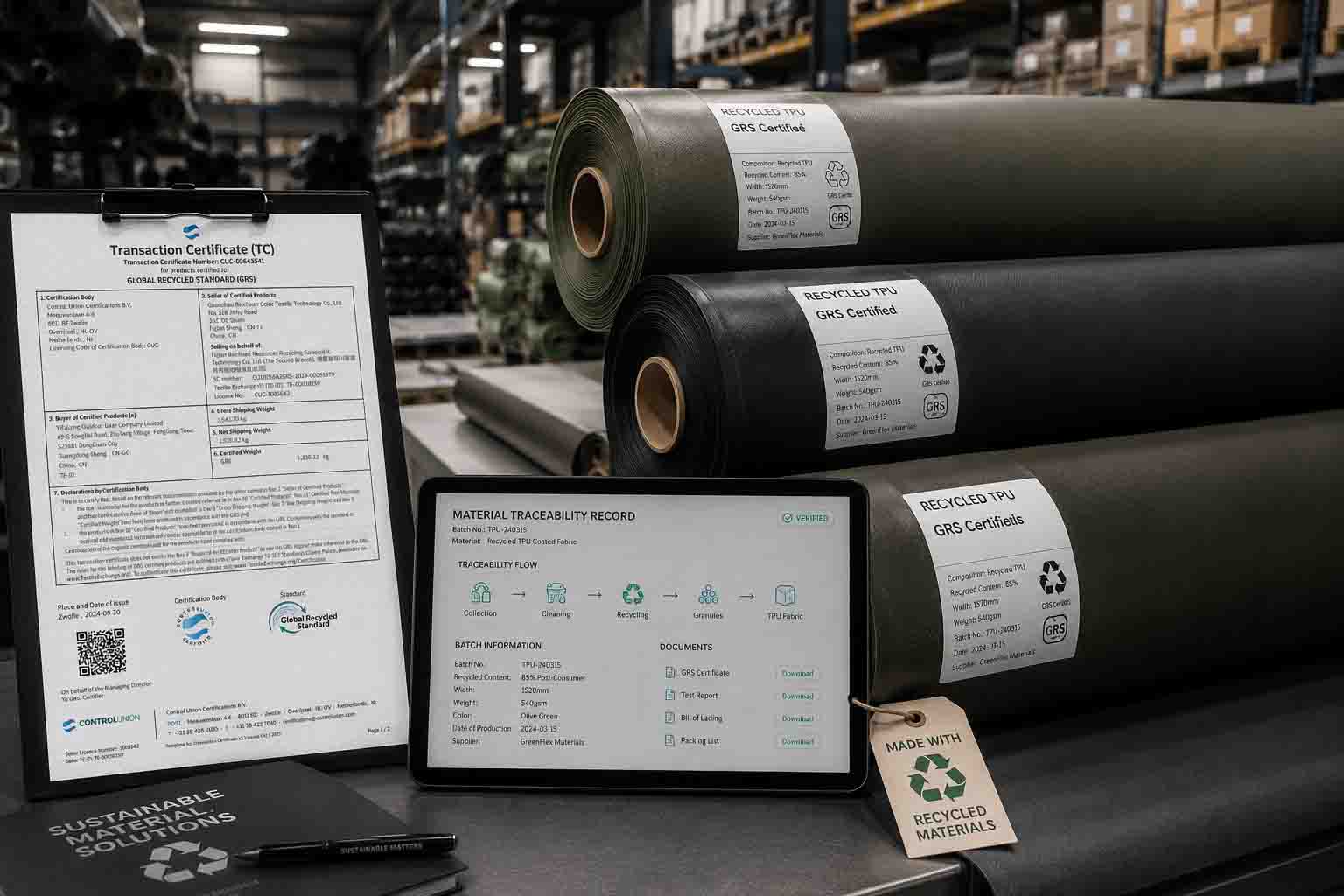
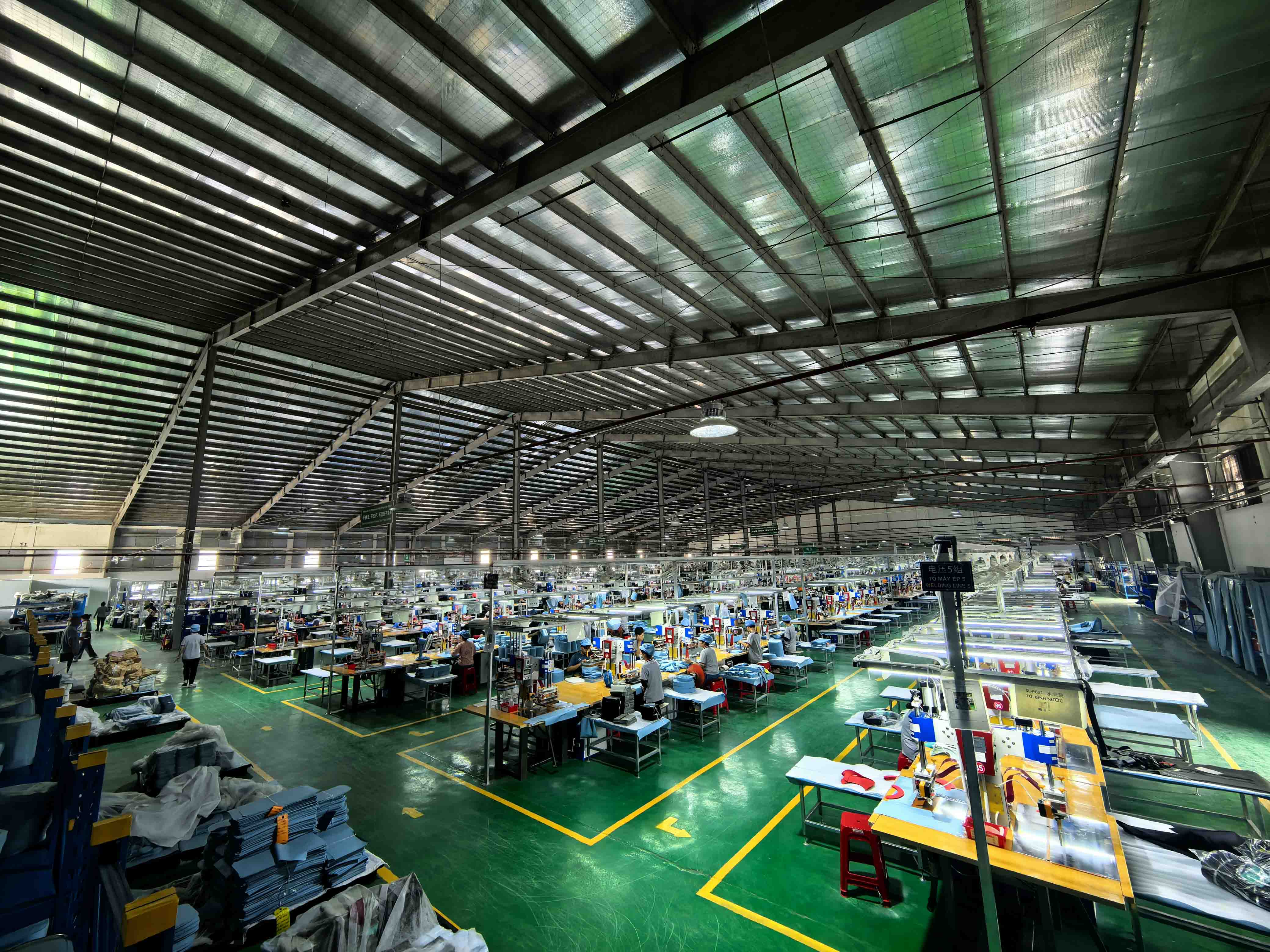
방수 실외 장비에 대한 대부분의 공장 감사는 장비 성능에 따라 중지됩니다. 시설에 RF 용접 기계가 있는지, 어떤 데니어 직물을 보유하고 있는지, 견적된 MOQ에 도달할 수 있는지 등이 있습니다. 꼭 필요한 질문들입니다. 역시 부족한 놈들이다. 이 가이드에서는 숙련된 소싱 관리자가 제조 능력 이상으로 평가하는 세 가지 감사 차원, 즉 지속 가능성 준수를 위한 자재 추적성 및 GRS 인증, RF 용접 생산에 적용되는 ISO 9001 품질 관리 시스템(인증 명판뿐만 아니라), 공급망이 주요 소매 파트너 및 글로벌 브랜드 표준 팀의 조사를 견딜 수 있는지 여부를 결정하는 사회 규정 준수 인프라(BSCI, SMETA 준비, 노동 문서)를 다룹니다.
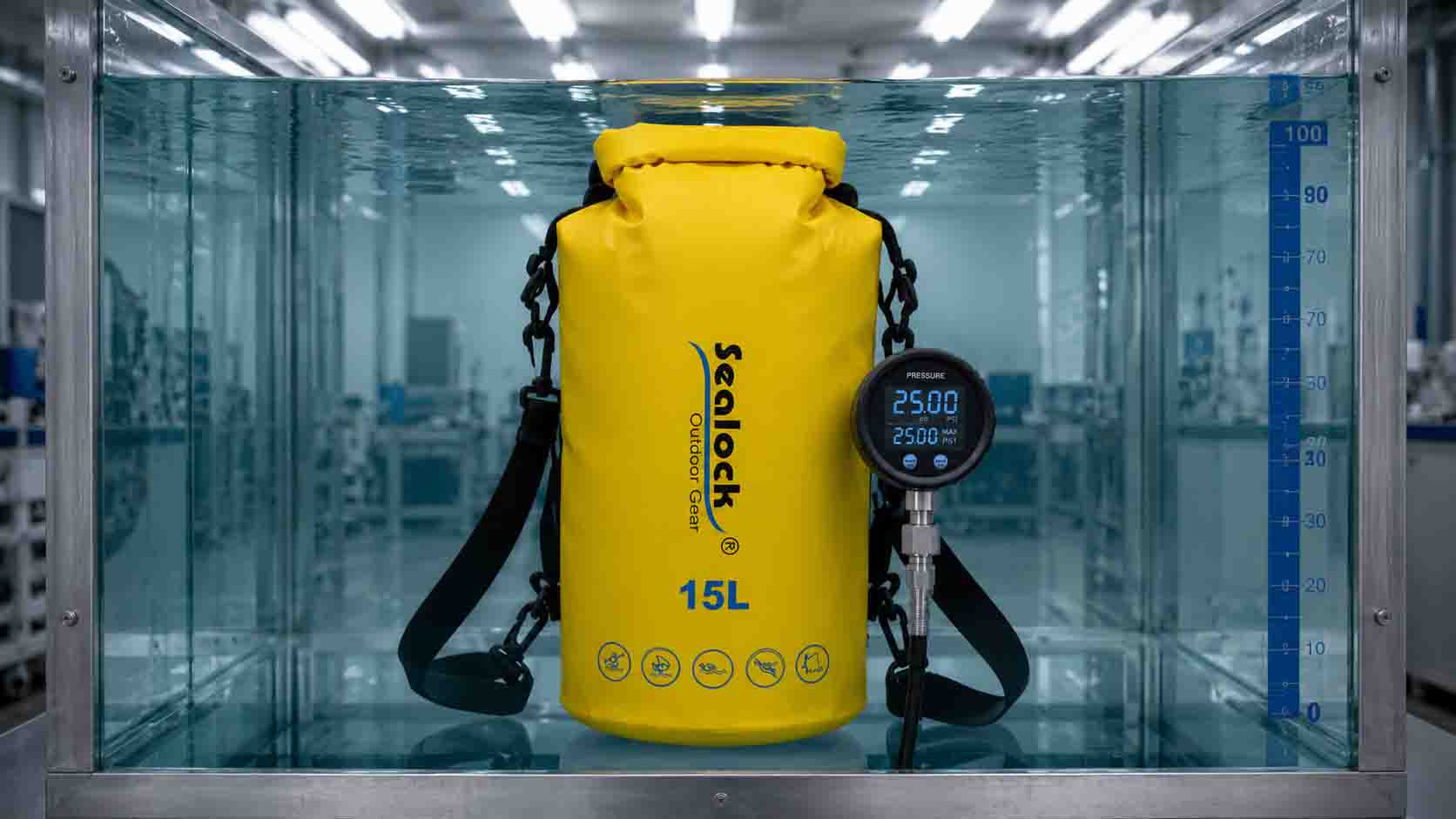
전문가급 방수 아웃도어 장비를 공급하는 브랜드의 경우 제조 파트너의 RF 용접 능력은 그 뒤에 숨은 프로세스 규율만큼만 의미가 있습니다. 이 기사에서는 RF 용접이 생산 규모에서 일관된 제로 누출 결과를 생성하는지 여부를 결정하는 엔지니어링 매개변수, 즉 27.12MHz 내부 분자 가열 대 표면 열 접합의 물리학, 840D 고강도 TPU 용접 시 필요한 좁은 교정 창, 제어된 생산 환경과 일관성 없는 환경을 구분하는 세 가지 공정 변수, 1.0Bar 정수압 테스트를 통해 완성된 용접에 대해 실제로 확인하는 내용을 다룹니다.
대부분의 방수 제품 실패는 직물에서 시작되지 않습니다. 그들은 솔기에서 시작합니다. 이 기사에서는 압력 하에서의 방수 성능, 현장 스트레스 주기를 통한 장기 내구성, 재료 호환성, 생산 비용 현실 및 각 방법이 올바른 선택인 특정 시나리오를 다루면서 RF 용접과 아웃도어 장비용 기존 스티칭 간의 실제적, 공학적 차이점을 분석합니다. 제조업체의 솔기 구성 능력을 평가하는 OEM 구매자를 위한 직접 비교표와 지침이 포함되어 있습니다.
A:The factory floor doesn't tell you where the market is heading—the buyer conversation does. Across six stops in 2025, from ISPO Munich to Beijing, Vietnam, and Hong Kong, one thing became clear: the rules of OEM partner selection have fundamentally changed. European buyers are rejecting generalists. Procurement officers are treating vendor selection like financial due diligence. And the pressure to de-risk single-country supply chains has made the China-Vietnam dual-base model not a preference, but a requirement. Here's what the most demanding global buyers are actually asking for—and what it means for sourcing strategies heading into 2026.
이 종합 기술 보고서는 방수 장비 산업에서 기존 폴리머에서 PFAS가 없는 TPU로의 중요한 전환을 분석합니다. 우리는 불소화되지 않은 움직임을 주도하는 환경 규정, 27.12MHz 고주파 용접에서 TPU의 분자적 이점, 지속 가능한 장비가 전문가 등급 1.0 Bar 잠수정 표준을 충족하도록 보장하는 Sealock의 엄격한 품질 프로토콜을 조사합니다.
Not all waterproof seams are created equal—and the difference isn't visible until a product fails in the field. Conventional heat sealing bonds materials at the surface. High-Frequency welding at 27.12 MHz does something fundamentally different: it agitates molecules from within, creating a structural fusion that is frequently stronger than the base fabric itself. For OEM buyers specifying IPX7 or IPX8-rated gear, understanding this distinction isn't a technical detail—it's the difference between a product that survives a season and one that delaminates after three months. Here's how the technology works, why frequency matters, and what it means for your production quality standards.